Graphics Acceleration
Trending Topics
Computer graphics driver installation tutorial steps
Method and step diagram of computer graphics card upgrade configuration
How does the computer upgrade the configuration of the graphics card
Installation method and step diagram of computer graphics card driver
How can the CPU match the graphics card better when buying a computer?
What is the use of popularizing graphics card knowledge? How to judge whether it is good or bad
How to solve the problem that there is no graphics card option on the right button of the computer
GPU-Z v2. Release of version 44.0: support RTX 3050 / RX 6500 XT and other graphics cards(Download the latest version)
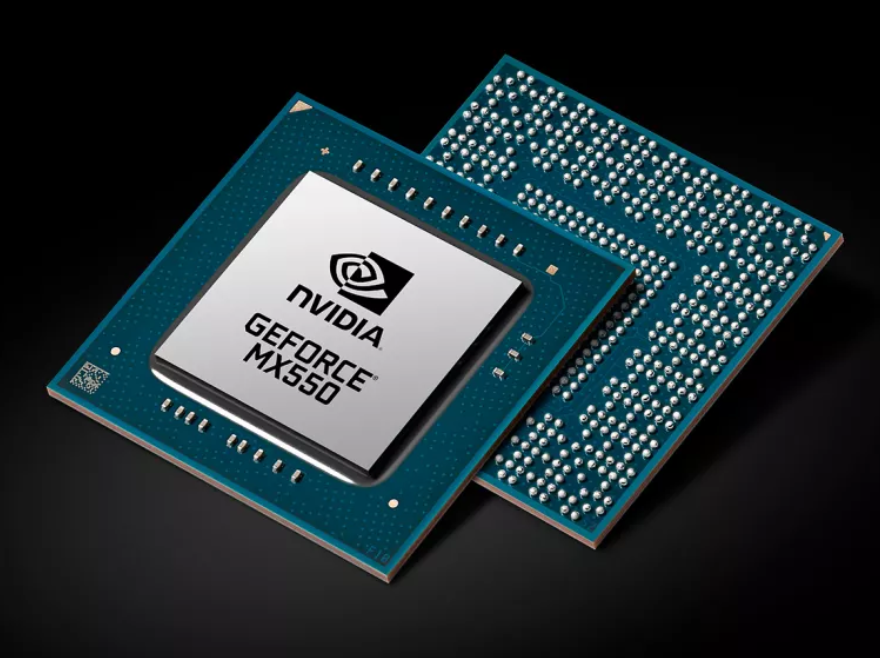
The mx550 graphics card of redmi Book Pro 14 has split exposure, which is 15% higher than that of mx450
How to solve the problem that a computer website can't be opened
In 3D graphics, mesh is a set of vertices, edges and faces that define the shape of an object. In the current drawing pipeline, all geometric data in the mesh must be processed sequentially before any other steps can be taken. This can be a major performance bottleneck.
The mesh shader replaces the old pattern with a new geometric processing method, which simplifies the graphics pipeline and provides developers with greater flexibility and control. Mesh shaders can process some segments of the mesh in parallel, called "mesh segments", with a greater degree of flexibility and control.

Users need to update 3dmark software to the latest version, and you can see this option in the "function test" area below the test list. In addition, there are DirectX ray tracing function test, PCI Express function test and so on.
The 3dmark mesh shader function test will show you how the game engine can effectively eliminate the invisible geometry of the camera using the mesh shader pipeline, so as to improve the performance of the game.
The test scenario is a hall containing many rows of carved columns with high fineness. When the camera moves in the scene, the columns in the foreground block the scenery behind.

The 3dmark mesh shader function test includes an interactive mode that can help you intuitively see the benefits of using mesh shaders. You can pause and jump to different parts of the timeline and change settings in real time. Use the visualizer options to highlight mesh clips, or view the level of detail (LOD) used by each mesh clip.
; background-size: cover; background-position: center;)
Major update of 3dmark: the function test of mesh shader can be carried out, and dx12 ultimate needs to be supported
How to solve the problem of computer monitor screen failure?
Solution to the black screen of playing DNF in win7 system
What is the reason for the stand-alone game screen Caton
How to solve the problem that win7 system plays hero League and often shuts down automatically?
Why can't you do the last math question in the college entrance examination? What's the significance
Solution of one card for watching video on computer
How do CHEVs compare in performance to fully electric vehicles ?
Chevrolet's hybrid electric vehicles (CHEVs) and fully electric vehicles (EVs) offer unique benefits and drawbacks. CHEVs have a longer range than EVs because they use both gasoline and electricity to power the vehicle, while EVs rely solely on electricity to power the vehicle. CHEVs are more efficient than traditional gasoline-powered vehicles, but less efficient than EVs. EVs are the most efficient type of vehicle because they produce zero emissions and use less energy than CHEVs. CHEVs typically have slower acceleration times than EVs due to their reliance on both gasoline and electricity, while EVs have faster acceleration times because they rely solely on electricity to power the vehicle. CHEVs require less maintenance than traditional gasoline-powered vehicles, but more maintenance than EVs. EVs require very little maintenance compared to CHEVs and traditional gasoline-powered vehicles.
How does the performance of fuel vehicles differ from that of electric cars ?
The performance differences between fuel vehicles and electric cars are significant in terms of acceleration, refueling/charging, emissions, maintenance, and noise/vibration. Electric cars offer faster acceleration, lower maintenance needs, and cleaner operation but may require longer charging times and have limited charging infrastructure compared to the widespread availability of gas stations for fuel vehicles. The choice between the two often depends on personal preferences, lifestyle needs, and environmental considerations.
Is there any improvement in the processor of the new iPhone model ?
The new iPhone model features a faster processor with improved performance, energy efficiency, graphics capabilities, and machine learning abilities.
How was the satellite launched?
How do parallel hybrid electric vehicles (PHEVs) compare to traditional gasoline cars in terms of performance ?
Parallel Hybrid Electric Vehicles (PHEVs) offer better acceleration and fuel efficiency than traditional gasoline cars but may have lower top speeds and require more time for recharging. Gasoline cars have higher top speed capabilities and quicker refueling but are less efficient and require more maintenance. The choice between the two depends on individual needs and preferences.
How to solve the problem of playing lol hero League card screen
The solution of computer host buzzing and unable to start
Are all hybrid cars made equal or are some brands better than others ?
Hybrid cars vary in performance, reliability, and value across different brands. Brand A leads in engine efficiency, driving experience, acceleration, durability, maintenance costs, warranty, cost of ownership, resale value, and innovation. Brand B performs moderately well but lags behind Brand A in several areas. Brand C has the lowest ratings for most criteria, including durability, maintenance costs, warranty, cost of ownership, resale value, and innovation. Consumers should consider these factors when choosing a hybrid car to ensure they get the best value for their money.
How should the computer be assembled and maintained
Why is the ticket price so expensive
What is the reason why the computer host makes a noise and cannot be started
How do force vectors influence an athlete's movement in sports biomechanics ?
Force vectors play a crucial role in sports biomechanics. The magnitude and direction of force vectors determine an athlete's acceleration, deceleration, and direction of motion. There are several types of force vectors, including internal, external, contact, frictional, and elastic forces. Understanding how these force vectors influence an athlete's movement is essential for improving performance and preventing injuries in sports. Coaches and athletes can use this knowledge to optimize their training programs and techniques.